Is AI Therapy Legal? What the New State Laws Actually Ban
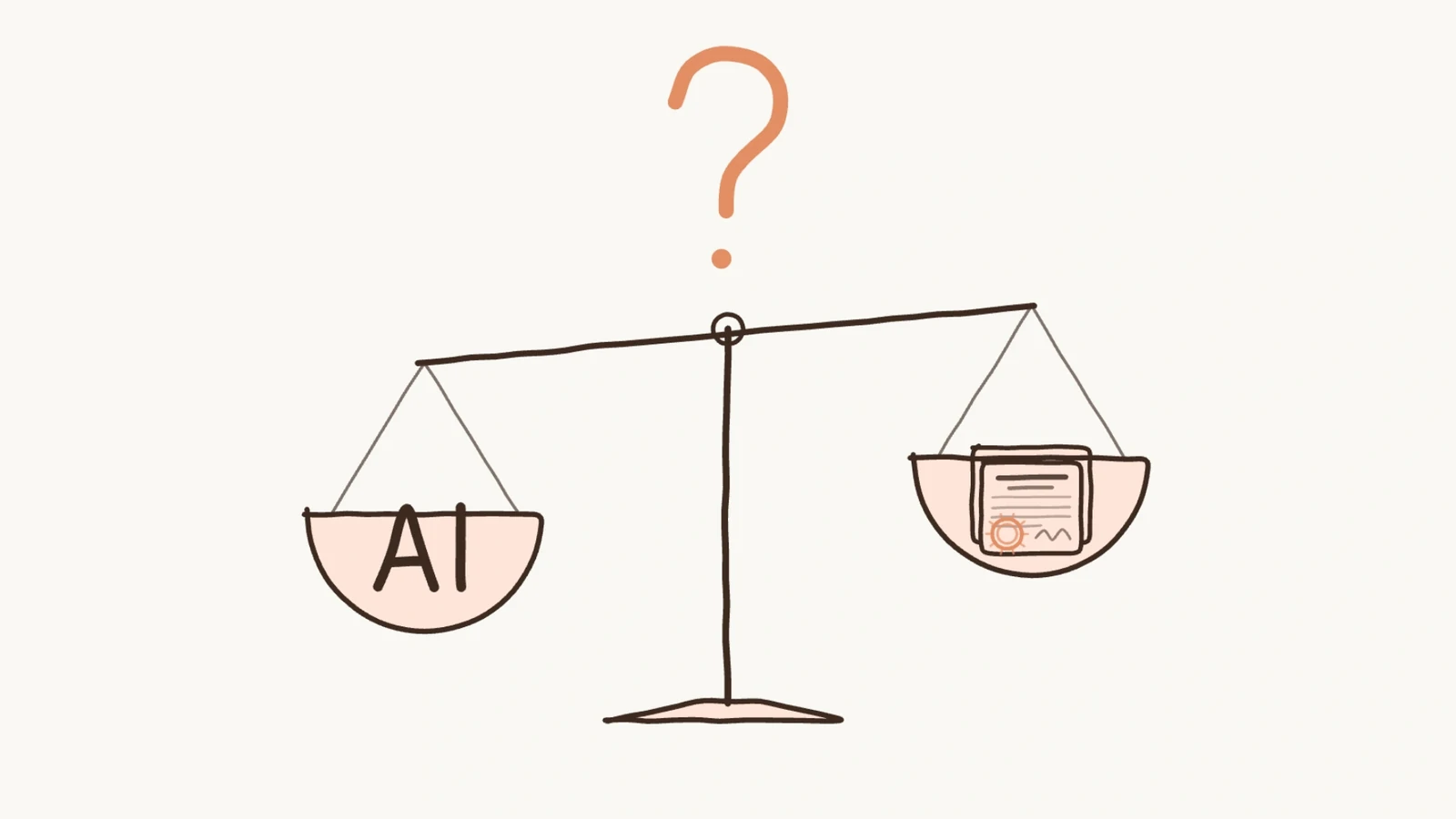
State laws draw different boundaries around AI mental health services. Illinois and Nevada restrict professional-care uses, while California and New York impose safeguards on covered companion chatbots. Utah has its own mental health chatbot framework. This review covers those five examples; it does not establish that every app or use is lawful throughout the US.
Restrictions on professional care
Illinois' Wellness and Oversight for Psychological Resources Act requires therapy to be conducted by a licensed professional and prohibits independent AI therapeutic decisions and direct therapeutic communication with clients. Its enforcement provision allows civil penalties up to $10,000 per violation.
Nevada's AB 406, Chapter 283 restricts AI specifically programmed to provide professional mental or behavioral health care and claims that it can do so. The law includes exceptions for certain self-help materials and administrative uses. A product's actual functions matter as well as its marketing.
Safeguards for chatbots
California's SB 243 requires covered companion-chatbot operators to maintain and publish a suicide and self-harm protocol, including crisis referrals. It also addresses misleading human-like presentation and protections for known minors. People injured by a violation may bring a civil action.
New York's Article 47 crisis provision requires reasonable detection and response efforts for suicidal ideation or self-harm, with crisis referrals. Its notification rule requires disclosure that the user is not communicating with a human. Enforcement under section 1703 belongs to the Attorney General, with penalties up to $15,000 per day.
Utah's original 2025 framework addresses mental health chatbot disclosure, data and advertising practices. The Division of Professional Licensing accepts registration policies. We could not fully retrieve the amended code during this review, so we do not present filing as blanket permission to provide therapy or guarantee that a legal defense applies.
What a user can conclude
The provisions reviewed impose duties on operators and professional providers. That is different from proving that every possible use or service is legal in every state. Calling a product “support” does not by itself settle whether it falls within a law's definitions.
Look for clear limits, privacy information and published crisis resources. A legal disclosure is not clinical evidence, and one reassuring chatbot response cannot establish safety. If you need licensed care, our guide to affordable counseling explains options to explore.
Sources and review scope
Reviewed September 7, 2026 using the official sources linked above. This selected-law review does not cover all enacted laws, pending bills, later amendments, rules or court decisions. Utah's amended code remains partly unverified. See the state law tracker for the comparison and verification limits. Updates are manual.
sokoon publishes this article and offers AI mental health support. This is general information, not legal advice or an independent legal review. Product operators should obtain advice about their specific services.
AI support with clear limits.
sokoon offers AI support for adults, not licensed therapy. One free session every day, no card, encrypted by default.